
The Muktinath yatra, planned properly
Muktinath is one of the few places held sacred by two faiths in the same courtyard — a Vishnu temple for Hindus, Chumig Gyatsa for Tibetan Buddhists. Pilgrims have been walking here for centuries. Most now arrive by jeep, and that convenience creates the main problem.
The altitude catches people out
The temple sits at roughly 3,800 m. Driven from Pokhara, you can gain nearly 3,000 m in two days — far faster than anybody walking would. Elderly pilgrims make this journey routinely and safely, but it needs planning: a night at a sensible intermediate altitude, an unhurried arrival, and nothing strenuous on the first day.
The 108 waterspouts
Behind the temple, 108 spouts run in a semicircle, and the traditional rite is to pass beneath all of them. The water is snowmelt and genuinely painfully cold. It is entirely optional — plenty of pilgrims touch the water and move on, and nobody minds.
Getting there
- By jeep from Pokhara via Beni and Jomsom — two long, rough, spectacular days.
- By air to Jomsom, then jeep — quick, but morning-only and weather-dependent.
- By helicopter — a same-day option for those short on time or unsure about the road.
Stop at Kagbeni
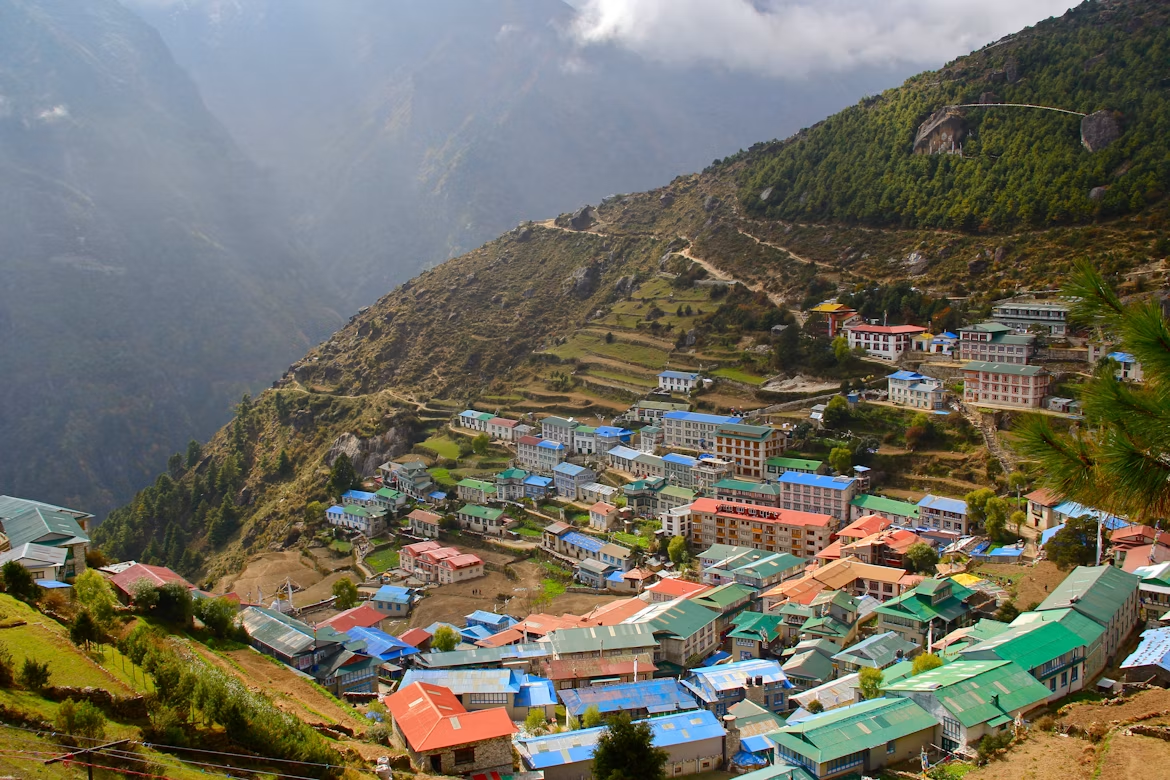
An hour short of the temple, Kagbeni is a mud-brick walled village at the gateway to Upper Mustang, with a Tibetan monastery and alleys you have to duck through. Most yatra itineraries drive past it. Almost everyone who stops says it was their favourite part of the trip.
Practical notes
- Go early — the temple is calmest before the jeeps arrive, and the wind picks up sharply by late morning.
- Shoes come off at the temple; carry socks, the stone is cold.
- Layers. It can be sunny and freezing within the same hour.
- March to June and September to November are the reliable windows.